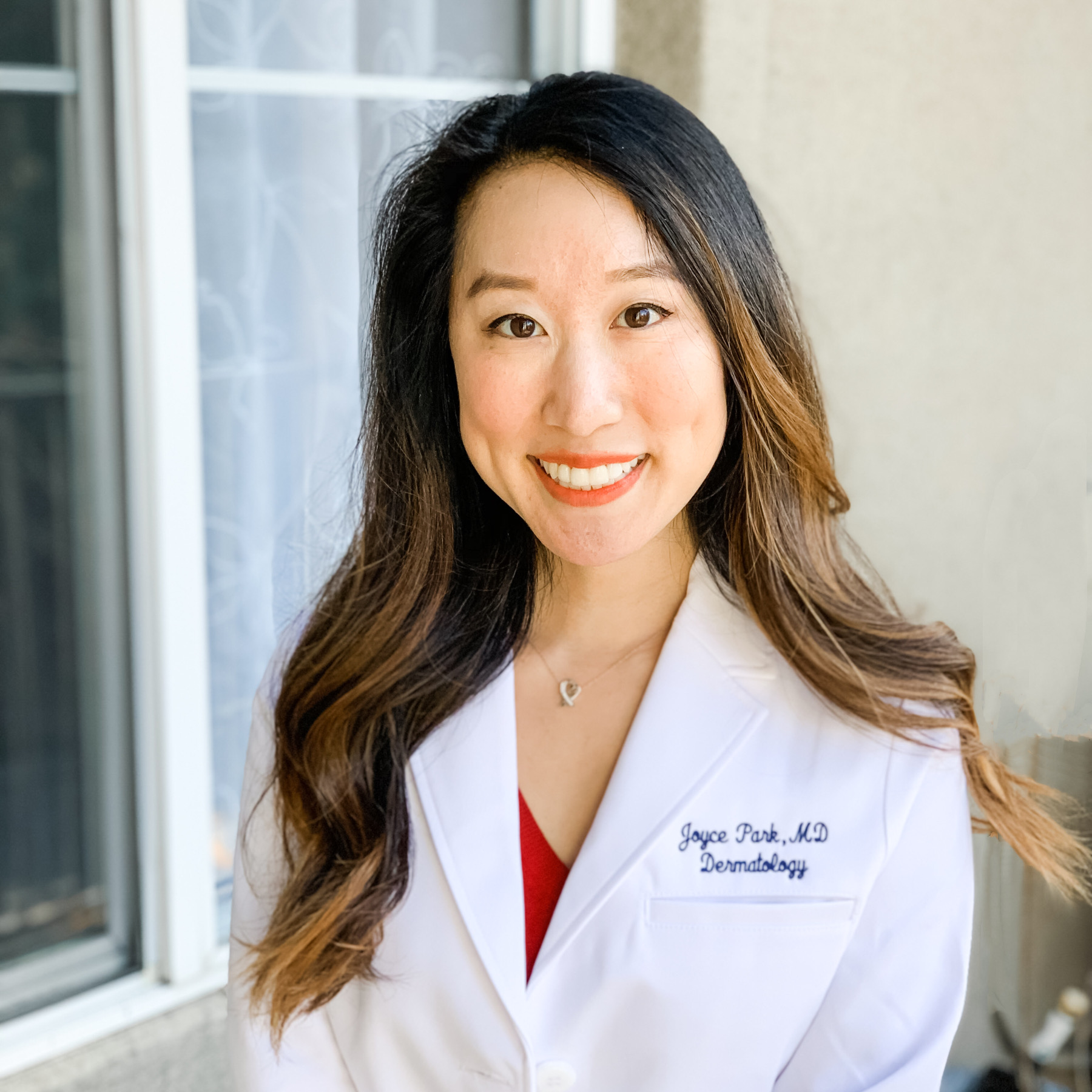

Dermatologists recommend the same five hair habits to almost every patient dealing with thinning, shedding, or poor hair health, and none of them require buying a new product. Over years in clinic, I’ve noticed that most patients who aren’t getting results from their hair care routine are not using the wrong products. They’re doing small things every day, consistently, with good intentions, that are quietly working against them. These five habits cost nothing to change and make everything else you’re doing more effective.

Habit 1: Wash Your Hair Regularly (the “Less is More” Myth Is Hurting Your Hair)
The most common hair myth I encounter in clinic is the idea that washing your hair less often will “train” your scalp to produce less oil. I hear this from patients constantly, and I want to address it directly: there is no physiological mechanism by which this is true.
Sebum production is regulated by androgens (hormones) and the activity of your sebaceous glands. It is not trained, conditioned, or meaningfully altered by how often you shampoo. What does happen when you extend the time between washes is this: oil, sweat, shed skin cells, and product residue accumulate on the scalp. That buildup creates an environment where Malassezia yeast thrives, which is the organism responsible for dandruff and seborrheic dermatitis. The inflammatory response that follows can disrupt the hair cycle and contribute to increased shedding.
A clean scalp supports healthy follicles. Regular washing, every one to three days for most scalp types, removes the buildup that compromises the follicle environment. The key is choosing a gentle, well-formulated shampoo that cleanses thoroughly without stripping the barrier. If your scalp feels tight or irritated after washing, the issue is your formula, not your frequency.
If you have dandruff or suspect seborrheic dermatitis, rotating in a medicated shampoo with ketoconazole, zinc pyrithione, or selenium sulfide two to three times per week is genuinely therapeutic, not just cosmetic. Treating the underlying inflammation protects your follicles.
Habit 2: Give Your Hairline a Break from Tight Styles
Traction alopecia, hair loss caused by repeated mechanical tension on the follicles, is one of the most preventable forms of hair loss I see in clinic. And it is also one of the most underdiagnosed, because it develops gradually over months to years before it becomes obvious.
The hairline is the most vulnerable area. When you pull hair back in the same tight configuration repeatedly, high ponytails, buns, tight braids, the follicles along the frontal hairline and temples bear the cumulative stress of that tension. Over time, follicles weaken and begin producing progressively finer hairs. If traction continues, follicular damage can become permanent.
The fix is straightforward: alternate tight styles with looser ones, use snag-free accessories (silk or satin scrunchies grip less than elastic or metal), and avoid pulling hair in the same direction every day. If you already have hairline thinning that you suspect is traction-related, the most important thing is stopping the traction as early as possible, earlier intervention gives follicles a better chance to recover.

Habit 3: Handle Wet Hair Like It’s Fragile (Because It Is)
Wet hair is structurally different from dry hair. When hair absorbs water, the cortex swells and the cuticle scales lift. In this state, the strand is weaker and more susceptible to mechanical damage. The friction of rough towel-drying and the tension of brushing wet, tangled hair are among the most common sources of breakage I see in practice, breakage that compounds the appearance of thinning over time.
The habits I recommend:
Switch to a microfiber towel. Microfiber absorbs water quickly and creates significantly less friction than a standard bath towel. The roughness of terrycloth against the cuticle causes mechanical damage that adds up over years of daily use. Blot and scrunch, don’t rub.
Detangle from the ends up. Start at the ends of the hair and work out tangles there first, moving up the shaft in sections. By the time you reach the root, the hair is already detangled. This approach dramatically reduces the pulling tension on the follicle compared to brushing straight from root to tip. A wide-tooth comb or a brush specifically designed for wet hair (with flexible, widely-spaced bristles) is significantly gentler than a standard brush.
Be patient. If your hair tangles easily when wet, consider adding a leave-in conditioner or detangling spray before combing. This reduces friction between strands and makes detangling easier and less damaging.
Habit 4: Use a Heat Protectant Every Time Without Exception
Heat styling tools, blow dryers, flat irons, curling irons, are ubiquitous, and the temperatures they reach are high enough to cause real damage to the hair cuticle and cortex. A blow dryer at its high setting can reach 150-230°C. Flat irons often exceed 200°C. At these temperatures, unprotected hair experiences cuticle lifting, protein denaturation, and moisture loss that weakens the strand structurally and makes it prone to breakage.
Over time, this accumulated damage affects hair integrity in ways that compound the appearance of thinning, fragile strands break more easily, ends split, and the overall texture of hair becomes visibly dull and coarser.
A heat protectant works by creating a thermal buffer between the styling tool and the hair shaft, typically through film-forming polymers or silicones that coat the cuticle and reduce the temperature experienced by the strand. They also help trap moisture and reduce the static that mechanical damage causes.
Application tip: heat protectants should be applied before heat, to damp or dry hair, depending on the formulation. Read the label. Don’t assume you can apply it after you’ve already started styling. And don’t think of it as optional. If you are using heat on fragile or thinning hair and skipping this step, you are spending money on treatments to support hair density while simultaneously accelerating the damage you’re trying to reverse.
Habit 5: Don’t Go to Bed with Wet Hair
This one comes up so often I had to include it. Going to bed with wet hair is genuinely detrimental to hair health, for two independent reasons.
Mechanical damage from friction. Wet hair in its most fragile state, held against a pillow surface for six to eight hours while you move during sleep, sustains hours of friction that dry hair would not. This contributes to significant breakage, especially at the nape of the neck and wherever your hair contacts the pillow most. Silk or satin pillowcases reduce friction substantially and are a worthwhile investment if drying your hair before bed is not always practical.
Scalp microbiome disruption. A damp scalp held against fabric for hours creates a warm, moist environment that supports bacterial and yeast overgrowth. The scalp microbiome is a living system, and the conditions you create on it matter. Chronic nighttime dampness can disrupt microbiome balance, contribute to scalp inflammation, and over time affect the follicle environment that hair health depends on.
If you wash your hair at night, take time to dry it before bed, even 80% dry is significantly better than soaking wet. A low-heat blow dry with your heat protectant is the safest approach. If timing doesn’t allow for that, a silk or satin sleep bonnet or pillowcase, paired with loosely braided hair, is a reasonable mitigation strategy.
Putting It All Together
None of these habits feels dramatic in isolation. That’s the point. The patients I see who make the most progress are not the ones who find the newest, most expensive product, they’re the ones who build consistent, evidence-based habits and stick to them. These five habits create the foundation that allows any treatment to work as well as it possibly can.
Combined with a targeted scalp care routine, they make a real difference. This is exactly the framework behind the Kerativ dermatologist-developed haircare routine, designed to be consistent, scalp-first, and built on habits that are actually sustainable. I developed it because I saw patients doing everything right with products while unknowingly undermining their results with daily habits. Getting both right is what moves the needle.
I developed Kerativ after years of seeing patients struggle to find haircare that was both clinically effective and actually enjoyable to use. If you want to go deeper on the specific habits I recommend as part of a full scalp care routine, I wrote about the daily practice in more detail on the Kerativ blog: 5 Healthy Hair Habits From A Dermatologist.
Frequently Asked Questions
What daily habits cause the most hair loss?
The habits I see causing the most preventable hair damage in clinic are: tight hairstyles worn daily (causing traction alopecia), rough handling of wet hair (causing breakage), heat styling without protection, and going too long without washing (allowing buildup to disrupt the scalp environment). None of these feel significant in the moment, but they compound over months and years. The good news: all of them are reversible, especially when caught early.
Can stress actually cause hair loss, and is that reversible?
Yes. Significant physiologic or psychological stress can trigger telogen effluvium, a diffuse shedding that typically begins two to three months after the stressor and can last several months. The mechanism involves cortisol and other stress hormones disrupting the hair cycle and pushing more follicles into the resting phase simultaneously. The good news is that telogen effluvium is almost always reversible once the stressor resolves. If you’re noticing significant shedding and have experienced a stressful event in the past few months, that timing is not a coincidence.
Does diet affect hair health, and are supplements worth taking?
Diet matters more than most people realize for hair health. Iron deficiency (specifically low ferritin, which is iron stored in tissues) is one of the most common nutritional contributors to hair shedding I test for, even in women who are not anemic. Vitamin D deficiency has also been linked to hair cycle disruption in several studies. Protein deficiency can impair hair growth since hair is primarily protein (keratin). Supplementing specifically for hair loss is generally only worthwhile when you have a documented deficiency. High-dose biotin, the most heavily marketed hair supplement, is only helpful in people with a true biotin deficiency, which is rare. Get labs done before spending money on supplements.
How do I know if my hair loss is getting better or worse?
Tracking hair loss is genuinely difficult because normal shedding (50-100 hairs per day) can be hard to distinguish from increased loss visually. I recommend taking standardized photos every four to six weeks under the same lighting conditions: top-down with hair parted, and profile views at the hairline and temples. Comparing these over time gives you an objective reference point. Counting hairs in your shower drain or brush over a week can also help you track trends, though this requires consistent conditions. If you are concerned your hair loss is accelerating, see a dermatologist, objective assessment is more reliable than subjective impression.
At what point should I see a dermatologist about hair loss?
I recommend seeing a dermatologist sooner rather than later, especially if shedding is sudden and significant (large amounts in the shower or on your pillow), if you notice patchy hair loss rather than diffuse thinning, if your hairline is receding or your part is widening, or if shedding has persisted for more than three months without an obvious trigger. Earlier evaluation leads to earlier treatment, and many forms of hair loss respond significantly better when caught and addressed before substantial follicle damage has occurred. If your primary care doctor has already ruled out systemic causes, a board-certified dermatologist with hair loss experience is your next step.



Leave a Reply