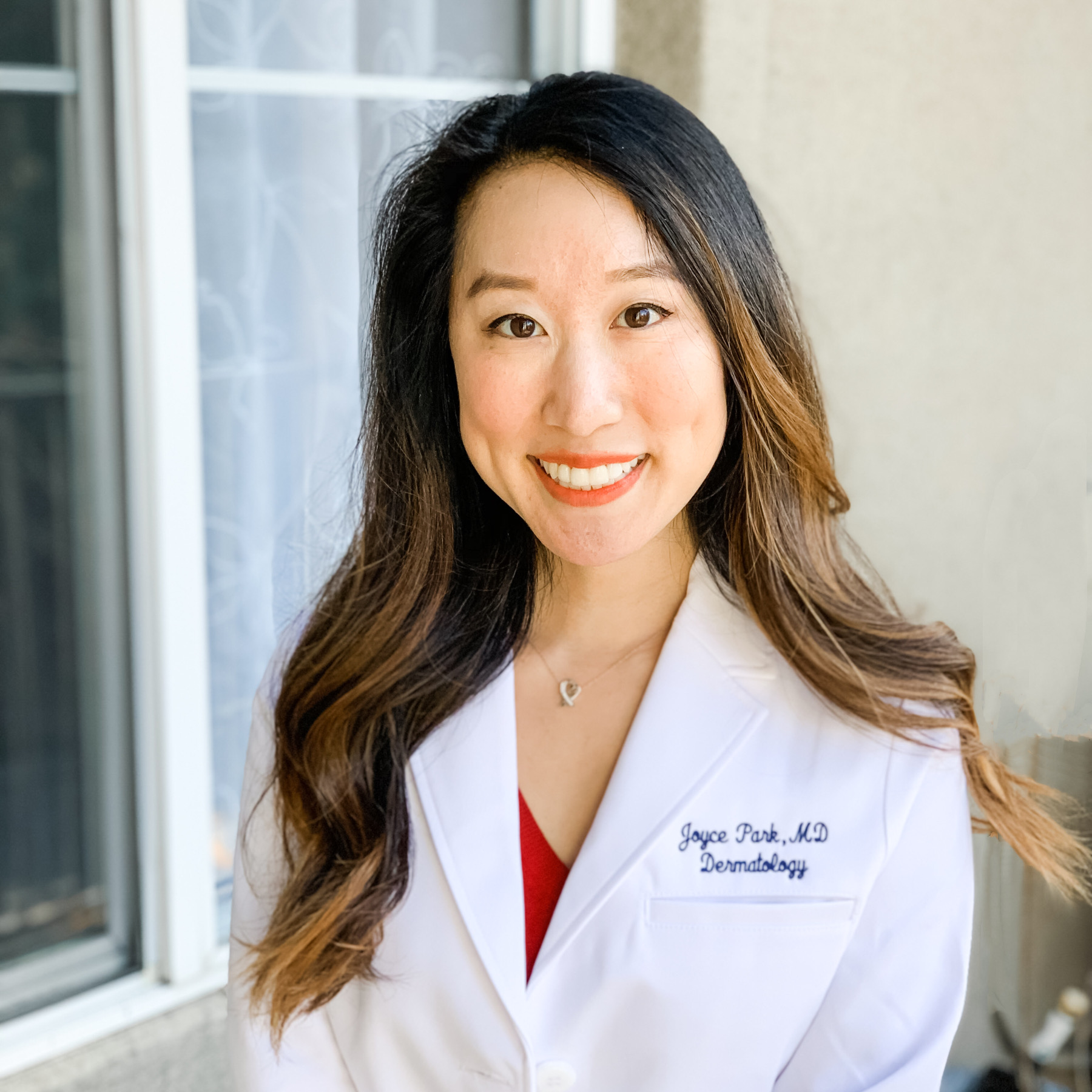

Yes, scalp health directly affects hair growth. The scalp is living skin, and the hair follicles embedded within it depend on a balanced, well-functioning scalp environment to cycle through their normal phases of growth. When that environment is disrupted, by inflammation, microbiome imbalance, or barrier dysfunction, follicles are among the first to suffer. The good news: scalp health is largely within your control, and improving it can make a meaningful difference in hair density over time.

What Does a Healthy Scalp Actually Look Like?
I ask my patients this question all the time, because most people have never thought about it. We spend enormous energy thinking about the condition of our facial skin, but the scalp, which is also skin, gets almost no deliberate attention.
A healthy scalp is characterized by three things working in balance:
A stable microbiome. Your scalp hosts a diverse community of bacteria and yeast, including Malassezia species that live on sebum. When this microbiome is in balance, it helps regulate the skin’s natural defenses. When it tips out of balance, you start to see symptoms: itching, flaking, and a scalp that feels chronically “off.” Research published in Experimental Dermatology has linked disruptions in scalp microbiome composition to conditions like seborrheic dermatitis, which in turn can drive inflammatory hair shedding.
A functional skin barrier. The scalp’s barrier layer controls moisture retention and protects against external irritants. When compromised, from harsh cleansers, overwashing, or environmental stressors, moisture escapes and irritants penetrate more easily. The resulting inflammation can surround the follicle and disrupt the normal hair cycle.
Regulated sebum production. Oil keeps the scalp comfortable and helps maintain the barrier, but excess sebum creates buildup that congests follicle openings and fosters microbiome imbalance. The relationship is nuanced: too little oil dries the scalp, too much creates a different kind of problem.
How an Unhealthy Scalp Disrupts Hair Growth
Hair growth happens in cycles. Each follicle passes through an anagen (growth) phase, a catagen (transition) phase, and a telogen (resting/shedding) phase before the cycle repeats. When the scalp environment becomes chronically inflamed or imbalanced, this cycling gets disrupted.
Here is what I see happen in clinic: inflammation around the follicle shortens the anagen phase. More hairs are pushed prematurely into telogen. The result is diffuse shedding, sometimes dramatic, sometimes subtle, that patients often don’t connect to scalp health at all. They assume it is hormonal or genetic, and sometimes it is. But in many cases, a compromised scalp environment is either causing or significantly worsening the shedding.
Over years, chronic follicle inflammation can contribute to miniaturization, the gradual shrinking of the follicle itself, producing progressively thinner, shorter hairs with each cycle. This is the mechanism behind androgenetic alopecia (pattern hair loss), but inflammation accelerates it even in people without a strong genetic predisposition.
Follicle congestion from excess oil and debris adds another layer of disruption. When the follicle opening is clogged, the environment immediately surrounding the root becomes hostile to normal growth.
The Scalp Microbiome: What It Is and Why It Matters for Hair
The scalp microbiome deserves its own section because it is genuinely underappreciated, including, I would say, within dermatology itself.
In healthy scalps, Malassezia yeast lives in relative balance with bacterial species like Cutibacterium and Staphylococcus. When Malassezia overgrows, often triggered by hormonal changes, excess sebum, or disruption of the normal flora, it metabolizes scalp oils into fatty acids that irritate the skin and trigger an inflammatory response. This is the mechanism behind dandruff and seborrheic dermatitis.
What is less commonly discussed: this same inflammatory cascade affects follicles. A 2021 review in Frontiers in Cell and Developmental Biology noted that scalp inflammation and microbiome disruption can interfere with the hair cycle and contribute to premature follicle regression. Supporting microbiome balance is not just about eliminating flakes, it is a legitimate strategy for supporting hair density.
How to Tell If Your Scalp Is Out of Balance
Some signs are obvious. Visible flaking, persistent itching, or a scalp that feels greasy hours after washing are clear indicators of imbalance. But many people experience subtler signals that they dismiss:
- Hair feels limp or lacks volume at the root
- Scalp feels tight or slightly uncomfortable without obvious cause
- Increased shedding, particularly in the shower or when brushing
- Scalp feels oily between washes faster than it used to
- Redness or sensitivity along the part line or hairline
If you are experiencing two or more of these, your scalp environment may be contributing to hair thinning, and addressing it should be the starting point, not an afterthought.

Dermatologist-Recommended Approaches for a Healthier Scalp
The framework I use with patients is to address the scalp environment from multiple angles simultaneously.
Cleansing. Regular, thorough cleansing removes the buildup that congests follicles and feeds microbiome imbalance. The frequency depends on your scalp type, but “training” your scalp to produce less oil by washing less often is a myth, sebum production is hormonally controlled, not conditioned by washing habits. If you have significant dandruff, rotating in a medicated shampoo with ketoconazole, zinc pyrithione, or selenium sulfide can directly address Malassezia overgrowth.
Targeted scalp treatment. A daily leave-on scalp serum is the most impactful addition most people can make. I developed Kerativ’s dermatologist-developed scalp serum specifically because I couldn’t find a product that addressed follicle support, barrier function, and microbiome balance in a single formula patients could realistically use every day. It includes 3% Redensyl and 1% Kopexil to support the hair growth cycle, plus ingredients like ectoin and panthenol for scalp barrier support, zinc PCA for oil regulation, and caffeine and adenosine for follicle stimulation.
Avoiding barrier disruptors. Certain surfactants, fragrances, and alcohol-based products can compromise the scalp barrier and worsen inflammation. Check your current shampoo and styling products and consider whether they could be working against you.
Managing internal contributors. Stress, hormonal shifts, nutritional deficiencies, and certain medications can all affect scalp health from the inside out. These are worth discussing with your dermatologist if external interventions alone aren’t moving the needle.
What to Expect: The Timeline for Improvement
I tell my patients the same thing I tell them about skincare: the scalp responds to consistent care over time, not overnight. The hair cycle spans several months, which means meaningful changes in density take time to become visible, typically three to six months of consistent intervention.
What often improves sooner, within four to eight weeks, is the scalp environment itself: reduced itching, less flaking, a more comfortable baseline. These are signs that the underlying inflammation is calming. The hair improvements follow as follicles cycle back into growth phase under better conditions.
Consistency is the non-negotiable. Products only work when you use them.
I developed Kerativ after years of watching patients invest in everything, supplements, expensive shampoos, treatments, and still not see results because nobody had helped them address the scalp environment first. If you want to go deeper on the formulation thinking behind it, I wrote about it in detail on the Kerativ blog: Does Scalp Health Affect Hair Growth? Dr. Park Explains.
Frequently Asked Questions
Can an unhealthy scalp cause permanent hair loss?
Chronic scalp inflammation can contribute to follicle miniaturization over time, which may lead to lasting thinning if left unaddressed. However, most scalp-related shedding is reversible when the underlying inflammation or imbalance is treated. The earlier you address it, the better the prognosis, which is why I encourage patients not to wait until hair loss becomes obvious before seeking help.
Does washing your hair more often damage the scalp?
In most cases, no. For the majority of scalp types, regular washing is beneficial because it removes buildup that congests follicles and feeds microbiome imbalance. The key is using a gentle, well-formulated shampoo that cleanses without stripping the barrier. If your scalp feels tight or dry after washing, the issue is likely your shampoo formula, not the frequency of washing.
How do I know if my hair loss is from scalp issues or something systemic like hormones?
Both can be happening simultaneously, which is why I always recommend seeing a board-certified dermatologist if you are concerned about hair loss. A dermatologist can evaluate your scalp directly, order relevant labs (thyroid function, ferritin, hormones), and determine whether you are dealing with scalp-driven shedding, systemic triggers, or both. Diagnosis matters for treatment, don’t guess.
What ingredients should I look for in a scalp serum?
Look for ingredients with evidence behind them for follicle support and scalp health: Redensyl and Kopexil for hair cycle support, caffeine for scalp stimulation, adenosine for hair thickness, zinc PCA for oil regulation, and barrier-supporting ingredients like panthenol or ectoin for scalp comfort. Avoid formulas heavy in fragrances or irritating alcohols, which can undermine the barrier you’re trying to support.
Is scalp massage actually helpful for hair growth?
There is growing evidence that consistent scalp massage may support hair growth. A 2016 study in ePlasty found that standardized daily scalp massage over 24 weeks was associated with increased hair thickness. The mechanism is thought to involve increased blood flow to the follicle and mechanical stimulation of follicle cells. It is free, takes minutes, and I tell my patients it is worth incorporating as part of a daily scalp care habit.

Leave a Reply