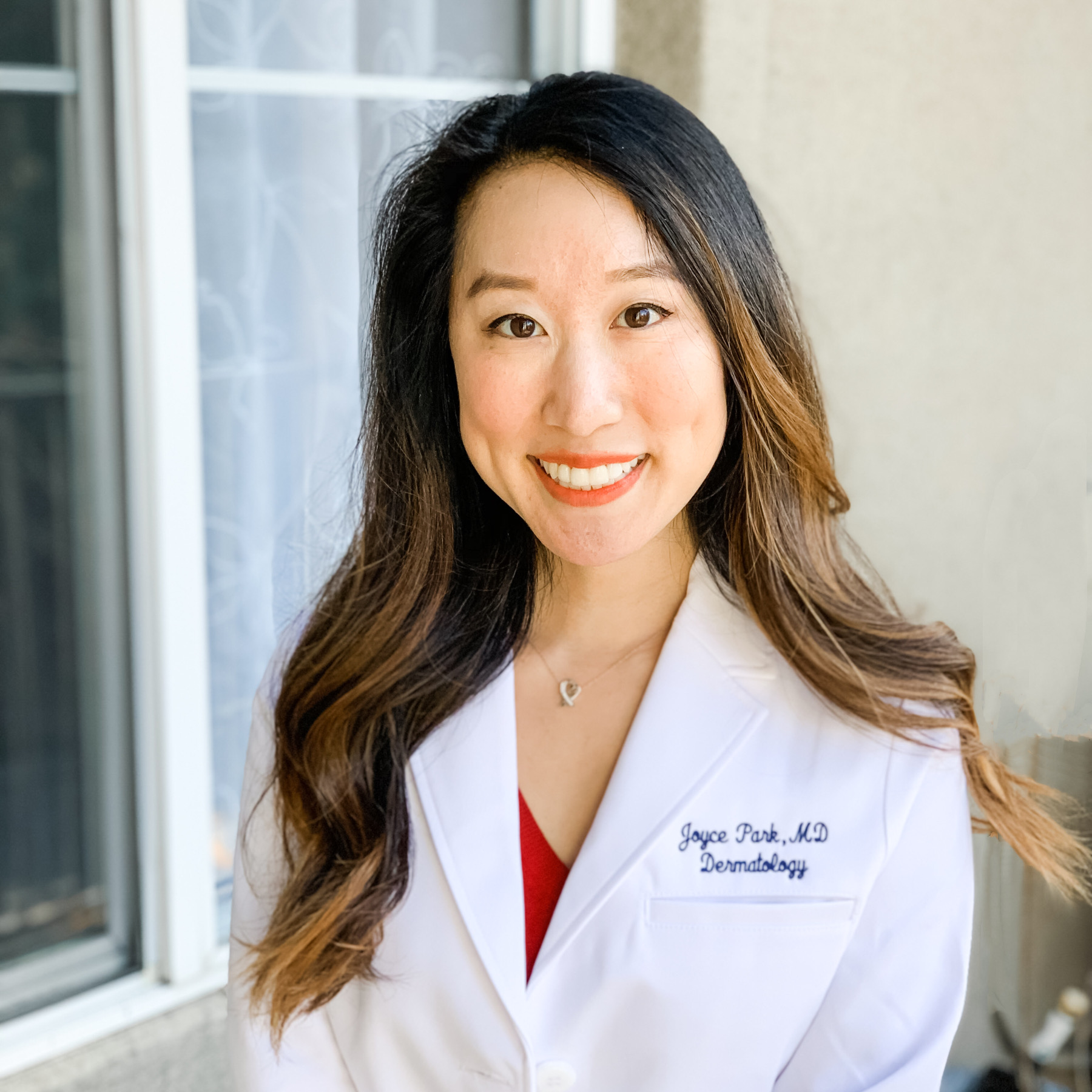

If you have thinning hair, the single most important thing I can tell you is this: a consistent, well-structured routine will do more for you than any one “miracle” product. Thinning hair is something I see in clinic every day, in patients of all ages, genders, and hair types. The pattern I notice is not that patients are using the wrong things. It’s that most have no coherent routine at all. They’re layering random products without understanding how they interact, or they’re skipping the steps that actually matter. This guide fixes that.

Why “Healthy Scalp First” Is the Right Framework for Thinning Hair
Hair thinning is often treated as a problem of the hair strand itself, something you address with volumizing sprays or thickening shampoos. But in most cases I see, the real opportunity is at the scalp level.
The hair follicle sits within the scalp, and it is entirely dependent on the health of the surrounding skin to function well. When the scalp is inflamed, congested with excess oil, or hosting a disrupted microbiome, follicles cannot cycle through their normal growth phases consistently. The anagen (growth) phase shortens. More hairs shift into telogen (resting). Shedding increases. Density declines.
This is why I build every thinning hair routine from the scalp up, cleansing first, treatment second, habits third. The products you apply only work as well as the environment you’ve created for your follicles.
Step 1: Cleanse Your Scalp Consistently (and Don’t Skip This)
Dermatologists recommend regular scalp cleansing as the foundation of any hair care routine for thinning hair. This surprises many of my patients, especially those who’ve heard they should wash less often to “preserve” oils or “train” their scalp. Let me be direct: that advice is not supported by how scalp physiology actually works.
Sebum production is controlled by hormones and the activity of your sebaceous glands, not by washing frequency. What happens when you extend the time between washes is a buildup of oil, dead skin cells, and environmental debris around the follicle opening. That environment favors Malassezia yeast overgrowth, which drives inflammation. Inflammation disrupts the hair cycle. A clean scalp is not an optional luxury, it is the foundation of a healthy follicle environment.
What you want in a shampoo: gentle surfactants that remove buildup without stripping the barrier, ingredients that support microbiome balance (like prebiotics), and if possible, actives that support the appearance of hair thickness at the rinse-out stage. If you have significant dandruff or seborrheic dermatitis, I usually recommend alternating with a medicated shampoo containing ketoconazole, selenium sulfide, or zinc pyrithione two to three times per week. Treating the underlying inflammation matters, dandruff is not just cosmetic.
Step 2: Condition with a Formula That Supports Fragile Hair
I see a lot of patients with thinning hair who have stopped conditioning because they’re afraid it will weigh their hair down. This is understandable, but it works against them.
Thinning hair is often more fragile, the strands are finer, the cuticle is more prone to damage, and breakage happens more easily. Conditioning reduces friction between strands, improves manageability, and minimizes the mechanical breakage that can make thinning more visible over time. A lightweight formula applied mid-length to ends (and lightly near the roots if scalp-safe) is the right approach. Look for gel-cream textures that rinse cleanly without leaving a heavy residue.
If you color your hair or use heat styling regularly, incorporating a bond-building treatment once or twice a week makes sense. These won’t address shedding directly, but they improve hair integrity and reduce the kind of visible breakage that compounds the appearance of thinning.

Step 3: Apply a Targeted Scalp Treatment Daily
This is the step where we are being most intentional about supporting hair density and reducing shedding, and it is the step most people either skip or do inconsistently.
Leave-on scalp serums represent the most effective category of over-the-counter products for thinning hair because they deliver active ingredients directly to the follicle without rinsing them away. The ingredients matter enormously, not all scalp serums are built on meaningful evidence.
The ingredient categories I look for:
- Redensyl and Kopexil, plant-derived actives that have been studied for their ability to support the hair growth cycle and prolong the anagen phase
- Caffeine, shown in in vitro research to stimulate follicle activity and counteract DHT effects at the scalp level
- Adenosine, has demonstrated ability to promote thicker-appearing hair strands in clinical study
- Pumpkin seed extract, studied for DHT-modulating activity at the scalp, with a 2014 randomized controlled trial in Evidence-Based Complementary and Alternative Medicine showing improvements in hair count in men with androgenetic alopecia
- Barrier and microbiome support, ingredients like panthenol, ectoin, and zinc PCA help maintain the scalp environment where these actives can work
This is exactly the framework behind the Kerativ dermatologist-developed hair growth regimen, combining a scalp-first shampoo and a leave-on treatment serum that work together as a system. I built it because I saw patients trying individual products in isolation, not getting results, and concluding that nothing works. What usually works is the right combination used consistently.
Apply your serum twice daily, morning and night if possible. The texture should be lightweight enough to absorb quickly and not disrupt your hairstyle. Spend 30 to 60 seconds gently massaging it in. Scalp massage enhances absorption and may independently support follicle function through improved circulation.
Step 4: Audit Your Daily Habits
Products can only do so much if your daily habits are working against them. These are the most common habit issues I see in clinic with thinning hair patients:
Tight hairstyles. Traction alopecia, hair loss from repeated pulling, is one of the most preventable forms of hair loss I see. Tight ponytails, buns, and braids worn daily put mechanical stress on the follicles, particularly along the hairline. Alternate with looser styles and use snag-free, silk or satin scrunchies when you do pull hair back.
Heat without protection. High heat damages the cuticle and weakens the strand, contributing to breakage that compounds the appearance of thinning. A heat protectant is not optional if you style with heat regularly.
Rough handling of wet hair. Wet hair is in its most fragile state, the cuticle is open and the strand is heavier. Rough towel-drying and brushing wet hair are among the most common causes of breakage I see. Use a microfiber towel and detangle with a wide-tooth comb, working from ends to roots.
Not sleeping dry. Wet hair held against a pillow all night is subject to hours of friction and is also a setup for scalp microbiome disruption. Dry your hair before bed, or protect it with a silk or satin pillowcase if that is not practical.
Step 5: Build in Patience and Realistic Expectations
This is often the hardest part of the conversation I have with patients. Hair grows approximately half an inch per month, and the hair cycle spans three to six months. Treatments that genuinely work take time to show visible results, and that timeline is not a bug, it’s biology.
I typically set expectations with patients at three months for initial improvement and six months for meaningful, visible change in density. What often changes earlier, within four to eight weeks, is the scalp itself: less itching, less flaking, a more comfortable baseline. These early changes are signs the environment is shifting, even before you see new growth.
If a product promises visible regrowth in a week or two, it is not making an honest claim. Hair physiology does not work on that timeline.
I developed Kerativ after years of seeing patients struggle to find haircare that was both clinically effective and actually enjoyable to use, something they could realistically sustain as a daily habit. If you want to read more about the thinking behind the formulation, I wrote about it on the Kerativ blog: A Dermatologist’s Step by Step Routine for Thinning Hair.
Frequently Asked Questions
How long does a hair care routine for thinning hair take to show results?
Most dermatologists set expectations at three to six months for meaningful, visible improvement in hair density. You may notice scalp improvements, less irritation, reduced shedding, within four to eight weeks, which is a sign the routine is working. The hair growth cycle is the limiting factor: new strands take time to grow in, and you are working with biological timelines, not cosmetic ones.
Should I use minoxidil as part of my thinning hair routine?
Minoxidil (Rogaine) is an FDA-approved topical treatment for androgenetic alopecia in both men and women, and it remains one of the most evidence-backed options for pattern hair loss. It works best as part of a broader regimen that also addresses scalp health. If you are considering minoxidil, I recommend discussing it with your dermatologist, they can assess whether your pattern of hair loss is likely to respond and help you understand realistic expectations and potential side effects.
Can I use a scalp serum if I already use minoxidil?
In many cases, yes. Scalp serums that address the scalp environment, barrier function, microbiome balance, follicle support, work through different mechanisms than minoxidil and can be complementary. However, layering multiple leave-on products requires some attention to compatibility and ingredient interactions. Discuss with your dermatologist before combining treatments, particularly if you are on prescription-strength topical therapies.
What is the difference between hair loss and hair breakage?
Hair loss refers to shedding from the follicle, the hair comes out with a white bulb at the root. Hair breakage is a structural failure of the strand itself, the hair snaps mid-shaft without a bulb. They look similar but require different interventions. Breakage is typically addressed by improving hair care habits, reducing mechanical damage, and conditioning. True hair loss requires addressing the follicle and scalp environment. Both can be happening simultaneously, which is common with thinning hair.
Is biotin worth taking for thinning hair?
Biotin supplementation is only clearly beneficial in people with a documented biotin deficiency, which is rare in people eating a varied diet. Despite widespread marketing claims, high-dose biotin supplements have not been shown in well-controlled studies to improve hair growth in people who are not deficient. More importantly, high biotin can interfere with certain lab tests, including thyroid and cardiac biomarkers. If you are concerned about nutritional contributors to hair loss, ferritin (iron stores) and vitamin D levels are the ones I check most routinely, deficiency in either is more common and more clearly linked to hair shedding.



Leave a Reply