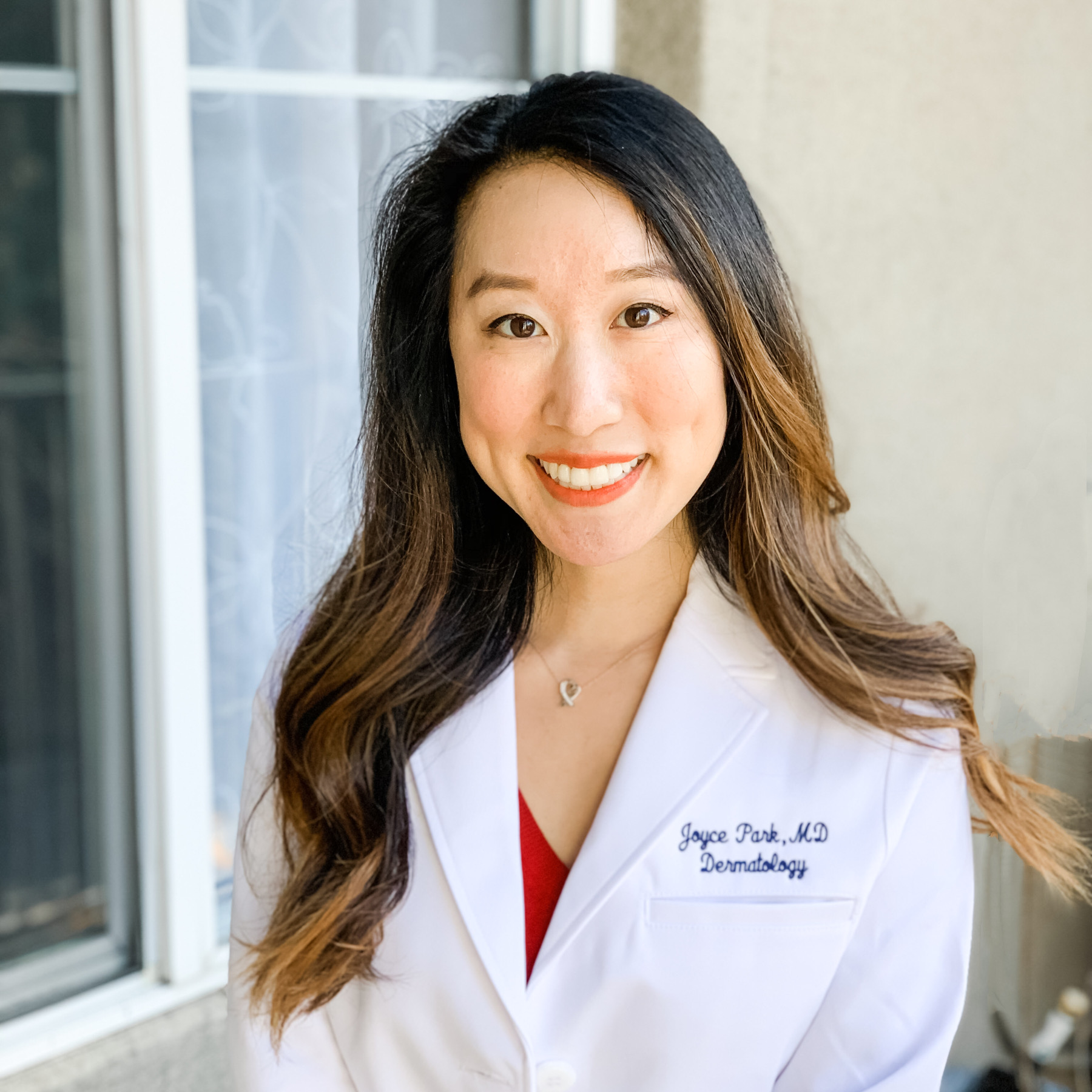
Of all the things my patients tell me they didn’t expect about perimenopause and menopause, hair changes are near the top of the list. The hot flashes get talked about. The sleep disruption gets talked about. The hair thinning tends to arrive quietly, gets misattributed to stress or age, and often goes unaddressed for years.
It has a real cause. It has real options. And the earlier you address it, the more you can do.
Why Menopause Affects Hair
The relationship between menopause and hair thinning is hormonal, and it’s direct.
Estrogen has a protective effect on hair follicles. It prolongs the growth phase (anagen) and partially offsets the miniaturizing effect of androgens like DHT (dihydrotestosterone) at the follicle level. Throughout a woman’s reproductive years, estrogen provides this buffer. When estrogen levels fall during perimenopause and menopause, that buffer diminishes.
At the same time, the relative balance between estrogens and androgens shifts. Even when androgen levels aren’t elevated in absolute terms, the declining estrogen means androgens have proportionally more influence on the follicle. In women who carry a genetic predisposition to androgenetic alopecia, this shift accelerates the miniaturization process that may have been slow and subtle for years.
The result is a pattern of hair thinning that typically looks similar to female pattern hair loss: diffuse thinning across the crown and part area, with the frontal hairline generally preserved. Individual strands become finer and the overall density decreases. For some women this begins in perimenopause, years before their final period.
What the Hair Changes Look Like

The changes tend to arrive gradually, which is part of why they get overlooked. Most women don’t notice the shift until they’re looking at photos from a few years apart, or until the ponytail feels noticeably thinner, or until a hairstylist mentions it.
A widening part line is often the earliest visible sign. The hair at the crown feels less full. Blowouts that used to hold volume fall flat. More hair collects in the drain. Individual strands feel finer between the fingers than they used to.
These changes are real and measurable. They’re also worth addressing, not accepting as inevitable.
How I Think About This in Clinic
When a patient comes to me with hair thinning in the context of perimenopause or menopause, my first step is making sure I’m looking at the whole picture. Thyroid dysfunction is extremely common during this life stage and produces hair changes that can look identical to hormonal pattern thinning. Iron deficiency is another frequent contributor, particularly in the years surrounding perimenopause when menstrual patterns may have been irregular. I run bloodwork on essentially everyone.
I also evaluate whether there’s a component of androgenetic alopecia that was already present and is now accelerating, versus thinning that’s primarily being driven by the hormonal transition itself. The distinction affects the treatment approach.
To understand how I structure the evaluation and what the clinical approach looks like, you can read more about how I work through menopausal hair thinning here.
Treatment Options Worth Knowing About
Topical minoxidil is FDA-approved for hair loss in women and is one of my go-to recommendations. It prolongs the growth phase and can meaningfully support hair density over time. It works best when started early and used consistently.
Hormone therapy is worth a conversation with your gynecologist or internist. Whether it’s appropriate for you depends on your overall health picture and risk profile, which is outside my scope to evaluate. What I can tell you is that in women who are candidates and choose to use it, some report improvements in hair quality and density alongside their other menopausal symptoms. It’s not a hair treatment specifically, but the hormonal stabilization can be beneficial.
For women with elevated androgens, spironolactone is an option I prescribe regularly. Again, this requires evaluation and isn’t appropriate for everyone.
The Scalp Routine I Recommend

Regardless of what medical treatments are in play, I always recommend a daily scalp routine built around ingredients that actively support the follicle environment. The scalp changes during hormonal transition too: sebum production shifts, the microbiome can become less balanced, and scalp skin tends to get drier and more reactive. All of that adds stress that follicles don’t need on top of the hormonal changes they’re already navigating.
The Redensify Regimen was built for exactly this. The Redensify Reset Shampoo is sulfate-free and designed for scalp-first cleansing. It removes buildup gently, supports microbiome balance, and doesn’t strip the moisture barrier that’s already under pressure during hormonal transition.
The Redensify Treatment Serum is applied twice daily to a dry scalp and left in. Redensyl supports hair density and helps maintain a healthy growth cycle. Kopexil supports the appearance of fuller-looking hair and helps maintain a healthy follicle environment. Caffeine and adenosine support thicker-looking hair and a healthy hair growth cycle. Adapinoid, a third-generation gentle retinoid, helps revitalize scalp skin and support healthy cell turnover (use sunscreen daily while using this product). Ectoin and panthenol support the scalp barrier, which is especially important during hormonal transition when scalp skin tends to become more reactive and dry.
If you’re already using minoxidil, apply the Kerativ serum in the morning and minoxidil at night, or layer Kerativ on after the minoxidil has dried.
You’ll typically start seeing the appearance of fuller-looking hair around the three-month mark with consistent use.
What I Want You to Take Away from This
Menopausal hair thinning is common. It’s also often undertreated, because many women assume it’s simply part of aging and don’t bring it up with their doctors.
It has causes. It has interventions. The earlier those interventions start, the more follicle activity there is to support. Coming in for an evaluation when you first notice changes gives you more options than waiting until the changes are significant.
If you’re noticing sudden, patchy, or rapidly progressing hair loss, or if there’s scalp inflammation, pain, or tenderness involved, that warrants prompt evaluation with a board-certified dermatologist. Those patterns are different from gradual hormonal thinning and need to be assessed differently.



Leave a Reply